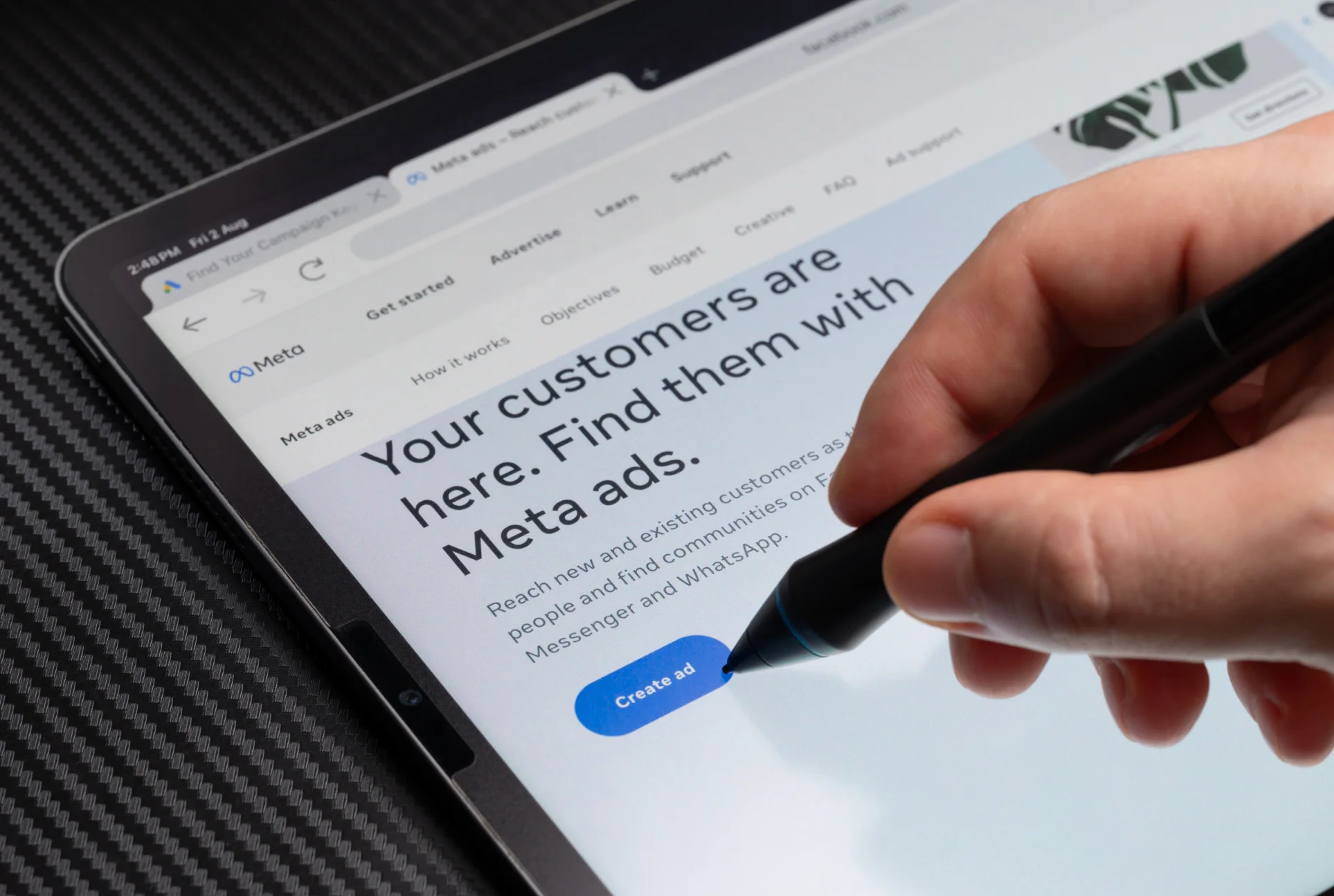
If you’ve spent any time thinking about marketing your rental business, the first place you should go to in 2026 is Meta. Meta is the parent company of Facebook and Instagram, and controls the system for both advertising campaigns. Instead of advertising on Facebook and Instagram individually, you’re using Meta Ads to control campaigns, audiences and budgets from one central location.
This is important for a rental business because Meta places your ad directly in front of people who are right in your neighborhood and browsing social media casually. Whether it’s a user looking at their Instagram feed post-work or their Facebook timeline on a Sunday morning, these users aren’t necessarily looking for a rental bike or party setup at this moment, but a well placed ad can still make your business visible to the right audience. In this guide you’ll find out why local targeting is important, and how rental businesses can effectively use Meta ads.
Why local audience matters to rental businesses
Rentals businesses are usually always local. Someone needing to rent a camera, a bike, or event tent usually doesn’t need anything super far away, available on very specific dates, and with local delivery/pickup. If you are a business targeting tourists, you can still operate your digital marketing in a way that targets people who have expressed interest in your area.
Regardless, majority of your marketing efforts should be targeted to the area where you service the most.
There are a few ways you can make yourself local:
-
Google Business Profile will be very valuable for gaining local exposure and customer reviews.
-
Local SEO can put you at the top when people search for rentals in a specific location.
-
Facebook groups can be effective when you’re operating in a very localized community like renting party equipment or party tents.
-
Flyers and partnerships still matter in rentals business like for hotels or rental venues.
All of these methods matter, but in 2026 Facebook ads are becoming the most powerful tool as you can serve people exactly the thing they want, when they want it, and right when they want to know they want to rent something. They are not searching for the product.
How Meta ads work
Meta ads are meant to integrate with the way that users already interact with Facebook and Instagram.
You might see an Instagram Reel from a local bike shop promoting weekend trail rentals. Or a Facebook ad from an event rental company reaching newly engaged couples in the area.
This ad looks like normal content, however the ad will have a “call to action” button on it, such as ‘Book Now’ or ‘View Options’.
What is happening behind the scenes:
-
Your targeting options help determine which users view the ad.
-
Your ad is in competition with all the other content currently in the user’s feed.
-
A user’s actions on the ad (a like, click-through, watch time, etc) affect how much they will be shown.
For instance, if your business is a camera rental service, you could have a small clip of someone using your Sony camera in your local market. If users watch the clip and ‘click through,’ then they will continue to see your ad in their feed more often.
Getting started with Facebook Ads Manager
All Meta ads are created and managed in Facebook Ads Manager, even if you’re running ads on Instagram.
Once you log in, you’ll go through three levels:
-
Campaign: your goal (traffic, bookings, messages)
-
Ad set: your audience and budget
-
Ad: the actual content people see
If you run an Instagram ad, you don’t need a separate setup. You simply choose placements that include Instagram.
For example, a bike rental business can run one campaign that shows the following content all from the same dashboard:
-
Reels on Instagram
-
Feed posts on Facebook
-
Stories on both platforms
This setup makes it easier to test and adjust without juggling multiple tools.
Set up the right local audience
This is an area where Meta ads can really benefit your rental company.
To begin, set up your service area: If your event rental company will deliver within 25 km, set the delivery radius for that area. It does not make sense to pay to promote to individuals who are outside of this zone.
After setting the service area, further target your audience.
You can target individuals by:
-
Location: in this case, individuals that live in, or are physically located, within the specific area that you want to promote to.
-
Interests: such as photography, biking, weddings, DIY, and more.
-
Behaviors: such as frequent travelers, business owners, and event planners.
As an example:
-
A camera rental company can target people with an interest in film, photography within 20 km of the shop.
-
An event rental company can promote to newlyweds within their service area.
-
A bike rental business could advertise to those interested in outdoor recreation in the local area.
If you have a customer list already, you may wish to upload the data and promote to a lookalike audience.
Make engaging content your customers can relate to
Your ad copy determines if someone scrolls past it or stops. And on platforms like Instagram and Facebook, you’ve got about two seconds to do so.
Short form video is still one of the most powerful mediums; especially the use of reels and stories. The most important part of this type of content is widely accepted as the first two to three seconds, when you first have the viewers attention.
For example:
-
A bike rental company could use something like, “The best 1-hour forest bike trail,” and then have the visual of the ride, with something relevant to the local viewer such as a local landmark.
-
A camera rental company could begin with, “Shot on the most popular camera to rent,” and show footage from it.
-
An event rental company could use before and after footage of an event space before/after the setup.
A great practice is to also show the product in use. This is one area where most ads fail; as they just show static equipment rather than what it allows you to do.
Think in terms of outcomes:
-
A bike rental isn’t about the bike, but the journey.
-
A camera rental isn’t about the camera, but the output.
-
An event rental isn’t about the lights or tables, but the feeling a space gives you.
Try to showcase the outcome as clearly as you can.
Keep your pacing fast. While many ads over 15 seconds may perform, the most successful are those which are tightly edited with no unnecessary filler time. Think: no lengthy introductions, no slow building sequences.
Include a clear call to action. Nothing too polished, just say what you want them to do:
-
Book your bike now.
-
Check when our products are next available.
-
Choose your dream camera package.
Try out different types of content. It’s rarely perfect on the first attempt.
For a camera rental, you could try a quick tutorial on what it takes to shoot a specific scene (“3 amazing shots you can achieve with this lens”), a “behind the scenes” style video of someone actually shooting something with it, or a a testimonial style video from a customer.
Extra tips
There are various simple ways of enhancing your ads without a complete overhaul.
-
Repurposing your customers’ photos and videos: If a business tags your business on posts, takes and posts photos and videos of your rental you can reach out to them to repost it on your account. They normally appear more natural than something you have specifically filmed, and saves time.
-
Using ‘user-generated content’ or ‘UGC’: Not everything must be filmed by yourself. If a customer has rented a camera and post a film of their day at a local event, and tags your bike hire during a ride then this can be reused on your advertising page if you obtain the permission. Also, event setups that show your rental items being part of a finished event should be re-usable.
-
Use many different versions of the same ad with different hooks and images
-
Keep your landing page simple and functional on a mobile, and easy to navigate.
-
Direct your budget towards your target audiences that show the best performance, and toward the creatives that perform the best.
Common mistakes to avoid include targeting too wide of an audience, meaning your budget quickly goes to waste, using generic ‘stock photos’ that have nothing to do with the actual business, ignoring how an advert appears on a mobile, only running one advert type, and ignoring the different seasons of your business/location.
A wedding hire business will focus more on the time that most people want weddings during a certain time of the year, but a bicycle rental place will see peaks on holidays for example. Your advertising should reflect what people need at different times of the year.
From scrolling to booking
For rental businesses, local visibility is what drives bookings. People are looking for something nearby, available, and easy to arrange.
Meta ads give you a direct way to reach those people while they’re already spending time on Facebook and Instagram. When you combine clear local targeting, relevant content, and consistent testing, you can turn casual scrolling into real inquiries.
Start with a defined service area, build ads that feel local, and use real customer content where possible. Over time, small improvements in targeting and content can lead to more consistent bookings from your local market.